Before you dig: 7 things to check for a trenching job
Digging a trench can look straightforward on paper: start here, finish there and keep the line tidy. On an actual property, the details matter. Underground services, access, excavated soil and the timing of other trades can all change how the job needs to be approached.
If you're a homeowner preparing for plumbing, an electrician organising a conduit run or a builder coordinating the next stage of a project, a little preparation can save confusion on the day. Here are seven useful things to check before booking trenching and electrical or plumbing preparation on the Fraser Coast.
1. Know exactly where the trench needs to go
Marking a rough line on the ground is a starting point, not a complete trench plan. Discuss the proposed route with your plumber, electrician, designer or builder as appropriate. They'll be able to confirm the required position and any technical specifications relevant to their work.
Keep the route accessible and make note of any changes of direction, structures, existing paving or garden features. The clearer the plan is before excavation starts, the easier it is for the operator to understand the task.
2. Check for underground services before excavation
This is one of the most important steps. Existing electrical cables, water lines, telecommunications assets and other services may be beneath an otherwise ordinary-looking patch of ground. Obtain relevant utility information and arrange service locating where required before digging.
Plans and records do not always give the complete picture of what's underground. Any uncertainty needs to be resolved with appropriate precautions and qualified assistance, rather than relying on guesswork.
3. Confirm the dimensions with the right trade
Trench depth and width depend on the intended installation, applicable requirements and site conditions. A plumbing trench is not automatically the same as an electrical trench, and neither should be sized by assumption.
Ask the responsible licensed trade or project professional to confirm the dimensions and relevant specifications. Your earthmoving operator can then discuss the machinery and bucket choices that suit the excavation.
4. Make sure the machine can access the work area
A compact work area still needs enough room to enter, manoeuvre and excavate safely. Measure gate openings, inspect potential overhead obstructions and identify sloping or unstable ground. If the trench is near a building, fence or existing structure, highlight this before booking.
Photos of the entry point and proposed trench route are useful. They give the operator a clearer picture of your property before machinery arrives.
5. Decide where the excavated material will go
Even a relatively narrow trench produces soil and other excavated material. Is that material staying on site for later backfilling, being placed in an agreed area or potentially leaving the property? This affects the equipment and space needed.
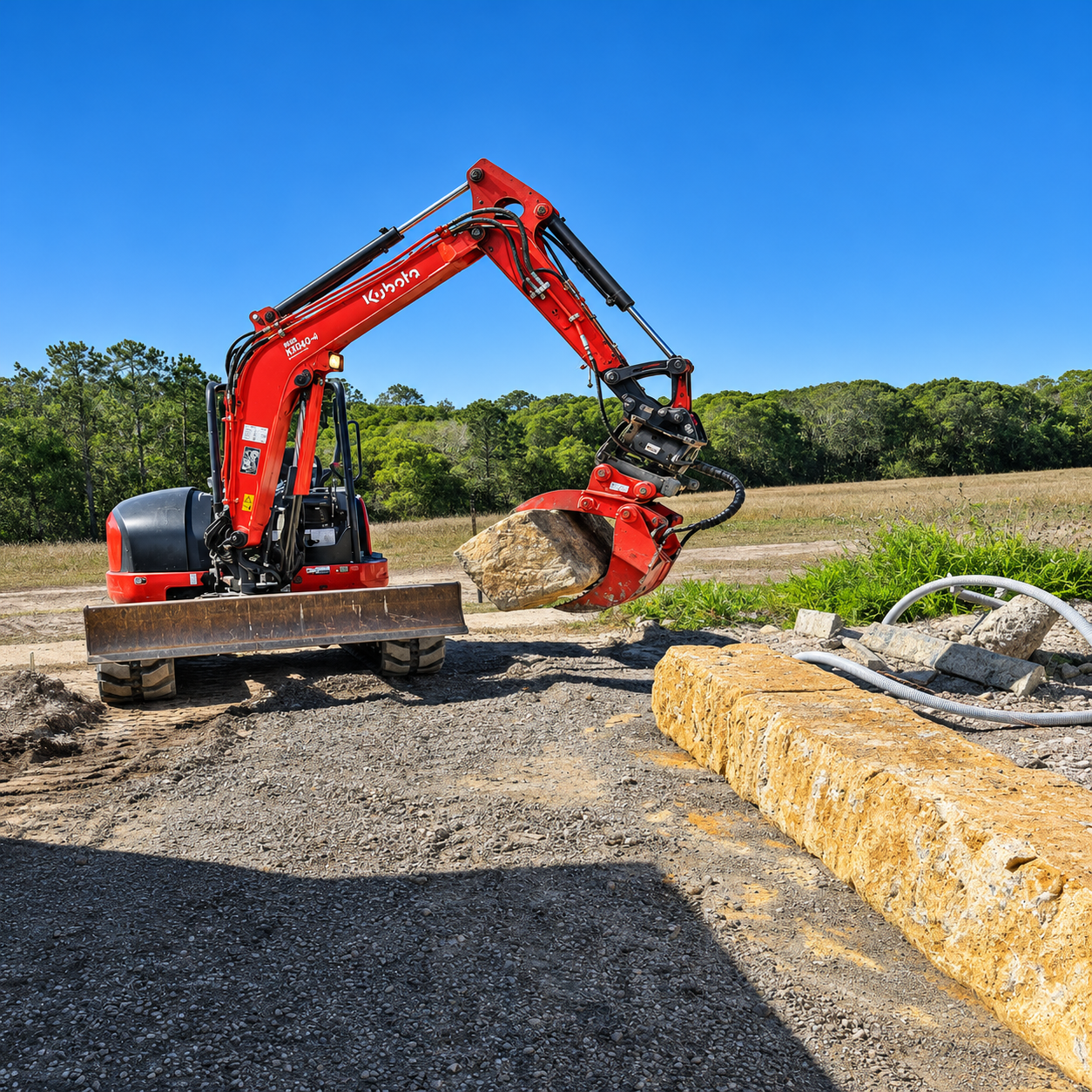
Fraser Coast Services and Contracting operates a 5-tonne excavator, T450 posi-track and tipper truck. The suitable combination depends on your job, ground conditions and material-handling requirements.
6. Coordinate the work with your plumber or electrician
If a trade needs to inspect, install or connect something after the excavation, agree on the sequence early. Consider who is responsible for the installation, any inspections, temporary protection and final backfilling. Clear roles reduce the risk of leaving the trench open longer than necessary.
We provide earthmoving and preparation services; licensed plumbing and electrical work must be completed by appropriately licensed professionals.
7. Ask about attachments and timing
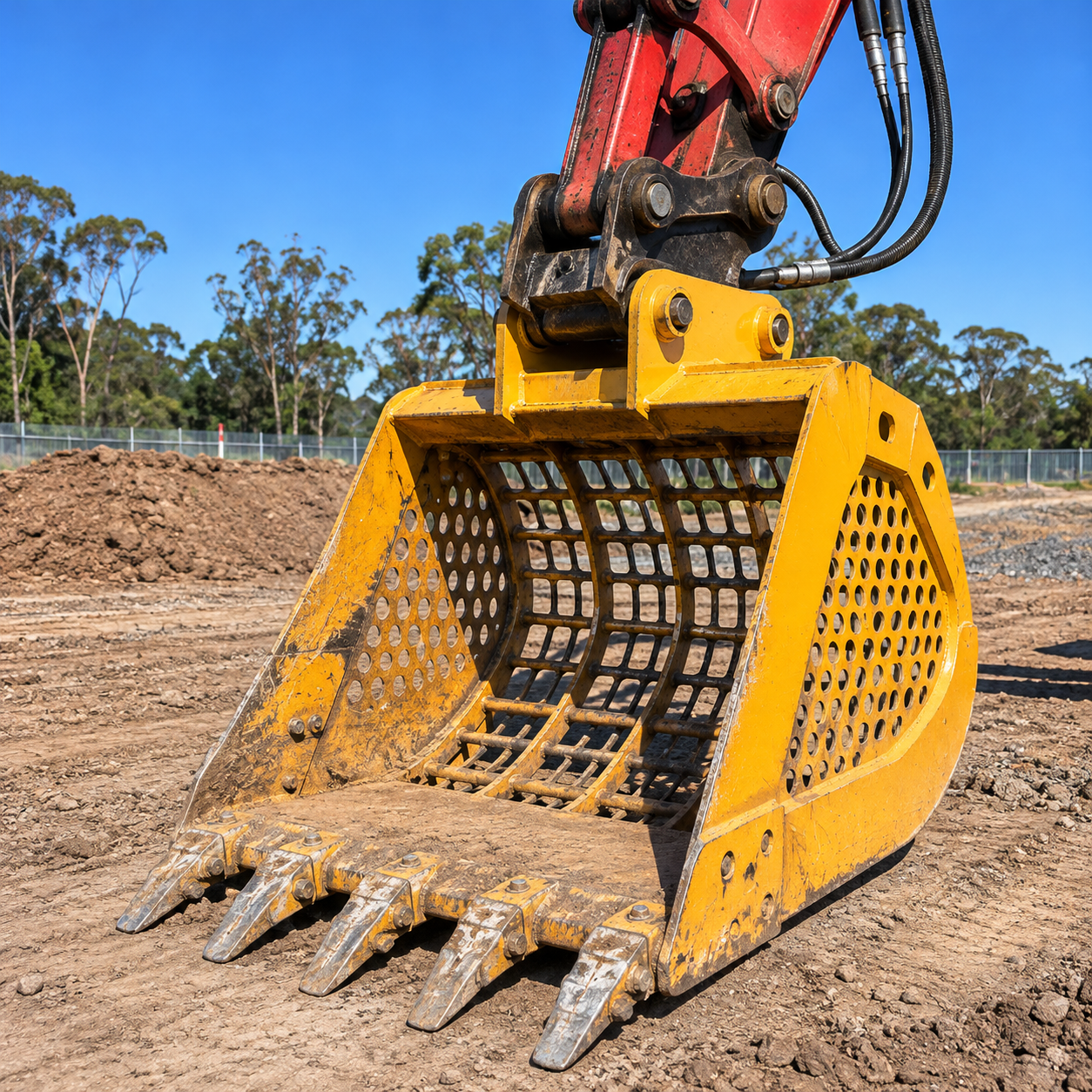
Different buckets and attachments suit different tasks. Tell the operator whether your project involves a straight trench, several service runs, post holes or additional site preparation. If you also need a building pad or other excavation, it may make sense to discuss those tasks together.
Our business is owner-operated, so you can explain the scope directly to an experienced machine operator. We generally work in Burrum Town, Hervey Bay, Maryborough, Howard and nearby Fraser Coast communities.
Ready to get your trenching job organised?
The best start is a clear plan, known service information and a site that's ready for machinery access. With those details in hand, your trenching job is easier to discuss, coordinate and carry out.
Planning plumbing or electrical preparation on the Fraser Coast? Contact Fraser Coast Services and Contracting with your location and project details to discuss owner-operated trenching and combo plant hire.